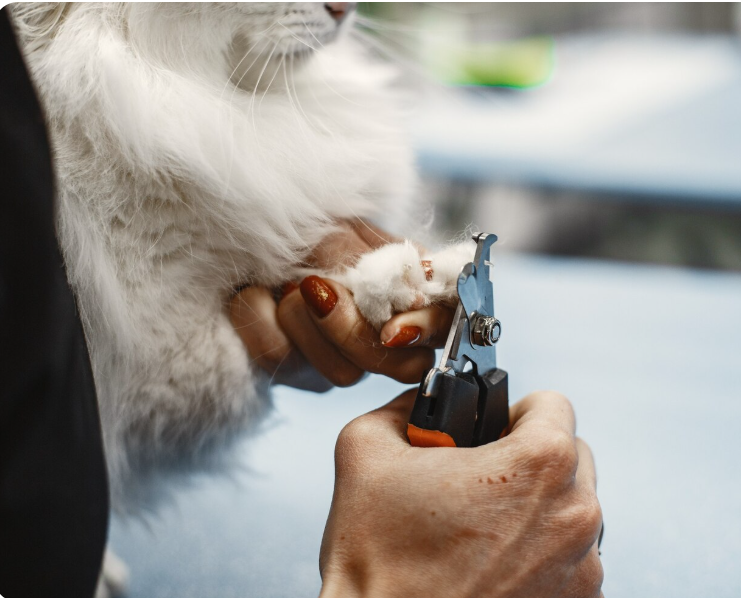
Find the best dog nail clipper for safe, easy grooming. Learn how to trim your dog’s nails with confidence using the right tool.
Keeping your dog healthy and happy requires regular grooming, which includes trimming their nails. The right tools can make this task easier and safer for both you and your furry friend. One of the most important tools in this grooming process is the dog nail clipper. In this guide, we will discuss the types of dog nail clipper, how to choose the right one, tips for using them, and what to consider for your pet’s nail care.
Types of Dog Nail Clippers
Understanding the different types of dog nail clippers can help you choose the best option for your needs. Here are the most common types available:
1. Scissor-Type Clippers
Scissor-type clippers resemble scissors and work well for small to medium-sized dogs. These clippers provide good control and precision, making it easier to trim nails without the risk of cutting too deep.
2. Guillotine Clippers
These clippers have a blade that moves up and down to cut the nail when you squeeze the handles. They are often best for medium to large breeds, as they can generate more force to handle thicker nails.
3. Electric Nail Grinders
Unlike traditional clippers, nail grinders use a rotating abrasive head to file down your dog’s nails. These can be a great option for dogs that are nervous about clipping, as they create a smoother finish and reduce the risk of splitting the nail.
4. Combination Tools
Some tools offer both clipping and grinding features, providing versatility for pet owners. A combination tool allows you to trim nails with the clippers and finish with the grinder for a smooth edge.
Choosing the Right Dog Nail Clipper
When selecting a dog nail clipper, consider factors such as your dog’s size, nail thickness, and your personal comfort level with the tool. Here are some tips to help you make the right choice:
– Size and Breed
Larger dogs typically require more robust clippers due to their thicker nails. Conversely, smaller breeds may do well with smaller, more delicate tools. Always choose a dog nail clipper that is appropriate for your dog’s size.
– Comfort and Grip
Look for clippers with ergonomic handles that provide a comfortable grip. A good grip will help you maintain control and reduce the chances of accidents.
– Safety Features
Some clippers come with safety guards that help prevent over-trimming. This feature is especially beneficial for novice groomers who may be unsure of how much to trim.
– Quality and Durability
Invest in a high-quality dog nail clipper to ensure longevity and effectiveness. Poor-quality clippers can dull quickly or break, leading to frustrating experiences during grooming sessions.
Preparing for Nail Clipping
Before you start using the dog nail clipper, preparation is crucial for a successful and stress-free experience. Here’s how to prepare:
1. Gather Your Tools: Aside from your dog nail clipper, gather treats, a file, and some styptic powder in case of any accidental cuts.
2. Create a Comfortable Environment
Choose a quiet, comfortable space free from distractions. Ensure your dog is calm, and consider having someone help you hold your pet, especially if they tend to fidget.
3. Examine Your Dog’s Nails
Take a close look at your dog’s nails to identify if they’re overgrown or if there’s any discoloration. Knowing the condition of their nails will guide your trimming process.
4. Introduce the Clipper
Familiarize your dog with the dog nail clipper by allowing them to sniff and investigate the tool before actual trimming. This can help reduce anxiety and build trust.
Step-by-Step Guide to Using a Dog Nail Clipper
Now that you’re prepared, follow these steps to safely use the dog nail clipper:
1. Position Your Dog
Have your dog sit or lie down in a comfortable position. Hold their paw gently but firmly, ensuring you’re in a good position to see the nail.
2. Identify the Quick
The quick is the part of the nail that contains blood vessels and nerves. It appears pink in light-colored nail polish. Avoid cutting into the quick; if your dog has dark nails, trim only small amounts to prevent hitting the quick.
3. Start Trimming
Use the dog nail clipper to trim the tip of the nail, angling the clipper to avoid crushing the nail. A gentle squeeze of the clipper will cut through the nail easily.
4. Take Breaks
If your dog seems anxious or restless, take breaks. Offer treats and praise to reward calm behavior. It’s important to make this experience as positive as possible.
5. Smooth the Edges
After clipping, use a nail file or grinder to smooth any rough edges that may remain after cutting. This helps prevent splits and snags.
6. Clean Up:
After you’ve completed the nail trimming, check for any clipped nail pieces and dispose of them. Reward your dog with treats or playtime, reinforcing the positive experience.
Common Mistakes to Avoid
Even seasoned dog owners can make mistakes when using a dog nail clipper. Here are some common pitfalls to avoid:
– Rushing the Process: Take your time when trimming your dog’s nails. Rushing can lead to accidents and injuries.
-Ignoring Signs of Pain: Pay attention to your dog’s reaction. If they flinch or pull away, stop and reassess the situation. Never force your dog to endure discomfort.
– Using Dull Clippers: Regularly check the sharpness of your dog’s nail clipper. Dull clippers can crush nails instead of cutting them, leading to pain and fear during future sessions.
– Over-Trimming: If you aren’t sure about the length to trim, start with small cuts. You can always remove more, but cutting too much can lead to bleeding and pain.
Frequently Answered Question:
FAQ: 1. What is the best dog nail clipper for home use?
Answer: The best dog nail clipper depends on your dog’s size, but sharp stainless steel blades with a safety guard are ideal for safe and easy trimming.
FAQ 2. How often should I trim my dog’s nails?
Answer: Most dogs need their nails trimmed every 3–4 weeks, depending on their activity level and how quickly their nails grow.
FAQ 3. Can I use a dog nail clipper safely at home?
Answer: Yes, you can safely use a dog nail clipper at home by trimming small amounts at a time, avoiding the quick, and keeping your dog calm during the process.
Conclusion
Using a dog nail clipper is an essential part of responsible pet ownership. By selecting the right type of clipper, preparing your dog, and approaching the task with care and patience, you can ensure a safe and effective grooming experience. Remember to reward your dog after each session, building positive associations with nail trims. With regular practice and the right tools, nail clipping can become a stress-free routine for both you and your beloved pet.
Regular maintenance of your dog’s nails not only improves their appearance but also contributes to their overall health and well-being. Investing time in learning how to use a dog nail clipper effectively will pay off in the long run, creating a happier and healthier environment for your furry friend.