Learn the essential elements for ensuring a healthy daily life for your pet, from balanced nutrition and regular exercise to grooming, socialization, and veterinary care. Discover how to create a nurturing environment that promotes your pet’s well-being and strengthens your bond.
Looking after a pet encompasses more than just supplying food and shelter; it requires a thorough comprehension of how to guarantee their complete well-being. A pet’s health is influenced by
a multitude of factors, including nutrition, exercise, veterinary care, grooming, socialization, safety, and emotional support. This article provides a detailed look at the essential elements required for maintaining a healthy daily routine for your pet, ensuring they lead a happy and fulfilling life.
## Nutrition: The Foundation of Health
### Balanced Diet
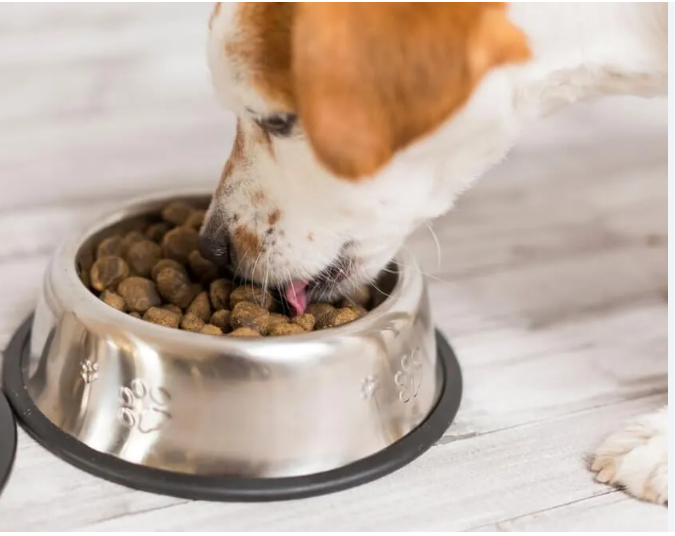
Nutrition is the cornerstone of a pet’s health. Just like humans, pets need a balanced diet that includes the right proportions of proteins, fats, carbohydrates, vitamins, and minerals to thrive. The dietary needs of pets vary based on their species, age, size, and activity level.
**Quality Pet Food**:
Always choose high-quality pet food that adheres to the standards set by organizations like the Association of American Feed Control Officials (AAFCO). Look for real meat or high-quality protein sources listed as the first ingredient on pet food labels.
**Tailored Nutrition**:
Consult your veterinarian to determine the best diet for your pet. Some pets may require specific diets for health issues, so professional guidance is crucial.
### Fresh Water
Water is just as essential as food. Ensuring your pet has consistent access to fresh, clean water is vital for their hydration and overall health.
**Hydration Awareness**:
Keep an eye on your pet’s water consumption, especially during warm weather or following intense exercise. Motivate them to stay hydrated by regularly replenishing their water.
### Portion Control
Obesity is a significant health concern for pets, and overfeeding is a leading contributor. Maintaining a suitable weight via portion control can avert various health issues
Feeding Guidelines**:
Refer to the feeding guidelines on the pet food packaging or consult your veterinarian to determine the optimal portion size for your pet. Adjust feeding quantities based on their activity level and weight.
## Exercise: Keeping Fit and Active
### Regular Physical Activity
Exercise is essential for pet health and well-being. It helps keep their weight in check, stimulates cognitive functions, and reduces behavioral issues born from boredom or anxiety.
Custom Exercise Plans**:
Understand your pet’s specific exercise needs. For example, energetic breeds of dogs may need daily long walks, while cats may benefit from playtime with interactive toys for at least 15 minutes a day.
### Mental Stimulation
Mental exercise is just as critical as physical activity. Engaging a pet’s mind can prevent boredom and destructive behaviors.
Interactive Play**:
Consider puzzle toys or treat dispensers that challenge your pet’s problem-solving skills. Incorporating training sessions where they learn new tricks is another fantastic way to engage their minds while strengthening your bond.
## Routine Veterinary Care: The Importance of Check-Ups
### Regular Check-Ups
An essential component of a pet’s health routine is regular check-ups with a veterinarian. These visits allow for early detection of health issues and ensure your pet remains happy and healthy.
**Vaccinations and Preventatives**:
Keep your pet’s vaccinations up to date to protect them from harmful diseases. Routine treatments for parasites like fleas and ticks are also crucial for their health.
### Spaying/Neutering
Spaying or neutering your pet can lead to a healthier life for them. It helps reduce the risk of certain diseases and contributes to reducing pet overpopulation.
**Discuss with Your Vet**:
Speak with your veterinarian about the right age and benefits of spaying or neutering your pet to make the most informed decision.
## Grooming: Maintaining Hygiene and Comfort
### Regular Grooming Practices

Grooming is an essential aspect of keeping your pet healthy and comfortable. Regular grooming helps prevent matting, eliminates dirt and debris, and allows you to check for skin issues or parasites.
**Brushing**:
Depending on the type of pet you have, brushing may be required more or less frequently. Long-haired breeds may need daily brushing, while short-haired breeds can get by with less frequent grooming.
### Bathing and Nail Care
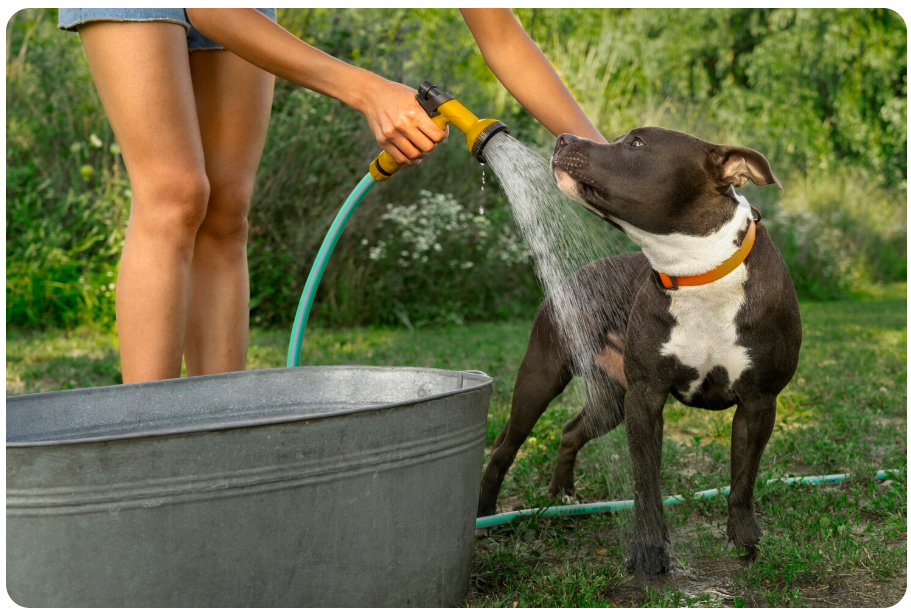
Bathing your pet is crucial for maintaining cleanliness, but ensure you use products specifically designed for animals to avoid skin irritations. Nail care is equally important; neglected nails can lead to discomfort.
– **Bathing Frequency**:
Generally speaking, dogs should be bathed every month or so, while cats may require less frequent baths. Always consult your veterinarian for advice specific to your pet.
**Nail Trimming**:
Regularly check your pet’s nails and trim them as necessary to prevent overgrowth, which can lead to pain or injury.
## Socialization and Interaction
### Engaging with Other Pets and People
Socializing your pet is fundamental for their behavioral development. Proper socialization can help reduce anxiety and ensure they are well-adjusted to their environment.
Controlled Exposures**:
Safely introduce your pet to various environments, people, and other animals. Positive experiences in social settings can enhance their confidence and behavior.
### Quality Time with Your Pet
Building a strong bond with your pet not only improves their emotional well-being but enhances your relationship as well.
– **Dedicated Engagement**:
Spend quality time with your pet daily. Activities such as playing, training, or simply snuggling contribute to their happiness and strengthen your bond.
## Safety and Comfort: Creating a Secure Environment
### Home Safety
Ensuring your pet’s safety within your home is a top priority.
Pet-Proofing:
Remove potentially hazardous items, such as toxic plants, cleaning supplies, or choking hazards, from their reach. This helps prevent accidents and health issues down the line.
### Comfortable Living Spaces
Creating a comforting environment for your pet encourages relaxation and a sense of security.
**Cozy Rest Areas**:
Provide designated spaces with appropriate bedding for your pet to rest. Tailor the space to your pet’s needs, whether they prefer to be enclosed or have an open space to spread out.
## Training and Behavioral Management
### Basic Commands and Training
Training your pet is essential for managing behavior effectively. Teaching basic commands can improve your pet’s safety and make daily interactions more enjoyable.
**Core Commands**:
Focus on commands like “sit,” “stay,” and “come.” Training sessions should be positive experiences filled with praise and rewards to encourage obedience.
### Utilizing Positive Reinforcement
Positive reinforcement can cultivate a trusting relationship between you and your pet.
**Reward Systems**:
Use treats or verbal praise to reward your pet for good behavior. This technique encourages them to repeat the actions that led to the positive outcome.
## Mental Health and Well-Being: Holistic Approach
### Establishing a Routine
A consistent daily routine can provide stability and reduce anxiety for pets, allowing them to thrive.
**Structured Schedule**:
Create a daily schedule that includes feeding, exercise, grooming, and playtime. Consistency helps pets understand expectations, offering a sense of security.
### Recognizing Signs of Stress
Be aware of behavioral changes that might indicate your pet is experiencing stress or anxiety.
**Behavioral Monitoring**:
Stay attuned to unnoticed signs of stress like aggressive behavior, excessive hiding, or abnormal eating habits. Don’t hesitate to seek professional help if needed.
## Emergency Preparedness: Being Ready for the Unexpected
### Planning for Emergencies
Being prepared for emergencies or natural disasters ensures your pet’s safety.
**Emergency Kit**:
Assemble a pet emergency kit with food, medications, water, and identification tags to aid in quick evacuation if necessary.
### Identification Measures
Having an efficient identification strategy in place increases the chances of being reunited with a lost pet.
Microchipping:
Microchip your pet and make sure to keep their collar with an ID tag that has updated contact information.
## Creating a Loving Environment: Affection and Bonding
### Daily Affection
Pets thrive on love and attention from their owners.
Quality Interaction**:
Make it a point to show affection through daily cuddles, gentle petting, or time spent playing together to foster a loving relationship.
### Building Lasting Memories
Engage in experiences that create joyful moments together, enhancing the bond you share.
Shared Activities**:
Plan outings or activities that you and your pet can enjoy together to create cherished memories, whether it’s a trip to the park or a fun game of fetch at home.
—
In conclusion, the journey of pet ownership encompasses various responsibilities that ultimately ensure a pet’s well-being and happiness. By prioritizing nutrition, exercise, regular veterinary care, grooming, socialization, safety, and emotional support, you create a nurturing environment for your pet to thrive. Investing time and effort into these essential elements will not only enrich your pet’s life but will also foster a deep and lasting bond between you and your furry friend. Your commitment plays a vital role in ensuring they lead a long, healthy, and fulfilling life, bringing joy and companionship to your home.