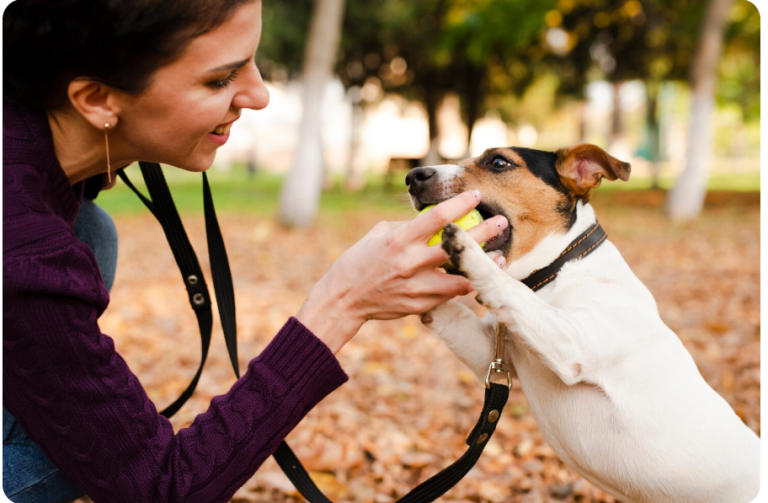
Build a summer doghouse for stray dogs to provide shelter from the heat. Discover design tips, materials, and community support ideas to make a difference.
As we enter the summer months people in our communities start to think more about the problems that stray dogs face. Stray dogs often do not have food or a safe place to live and
They have to deal with the really hot weather. The summer months can be very tough for dogs. Stray dogs have to look for food and water on their own. Stray dogs do not have a
home to go back to elements, including extreme heat. To combat these conditions and provide comfort for our four-legged friends, building a thoughtfully designed summer doghouse is a fantastic project.
This article details the essential aspects of creating a summer doghouse that prioritizes the needs and safety of stray dogs.
## Understanding the Needs of Stray Dogs
Before diving into the construction aspects, it’s crucial to understand the specific needs of stray dogs. Strays often struggle with finding proper shelter, food, and medical attention. During
In summer, the heat can be extreme, making a well-designed doghouse a crucial shelter for them. A summer doghouse must emphasize offering shade, protection from heat, and
adequate ventilation. This ensures that dogs can cool down during the hottest parts of the day and seek relief from the sun while remaining safe from predatory threats and harsh environmental conditions.
## Choosing the Right Location
The first step in constructing a summer doghouse is selecting the right location. **Placement is key** to keeping the interior cool and comfortable. Here, consider the following points:
1. Shade:
Look for areas that have natural shade, such as under trees or near bushes. Avoid direct sunlight, as it can rapidly increase the temperature inside the doghouse.
2. **Accessibility**:
Ensure that the location is safe and accessible for stray dogs. Avoid busy roads where animals could be in danger or spaces that are prone to flooding.
3. **Safety**:
Verify that the selected spot is away from areas that could pose a risk to the dogs, such as locations where human activity is common or areas with aggressive animals.
Once you have the ideal location, it’s time to focus on the design of the summer doghouse. An effective doghouse should prioritize temperature regulation, shelter from the elements, and overall comfort. Here are some key considerations:
### Materials
Choosing the right materials is essential for providing refuge in the summer heat. Opt for:
– **Wood**:
It provides decent insulation while keeping the indoor temperature regulated. Remember, the type of wood can influence durability, so select weather-resistant varieties when possible.
– **Composite materials**:
These can also work well, offering insulation properties and resilience against the elements.
Avoid using metal or plastic for the doghouse, as these materials can absorb and retain heat, leading to an uncomfortable environment.
### Dimensions
Size is an important consideration. A doghouse needs to be spacious enough for dogs to move around comfortably but not excessively large. Follow these guidelines:
– The height should be about 25-30% taller than the dog’s shoulder height, allowing room for standing and lying down.
– The width and length should be accommodating without making it feel too open, which could make the dogs feel insecure.
An appropriately sized space allows stray dogs to curl up and stay warm during cooler nights while providing comfort from the summer heat.
### Ventilation
Proper ventilation is key when constructing a summer doghouse. Stale air can lead to discomfort, especially as temperatures rise. Consider implementing these features:
– **Vents**:
Install vents near the top of the doghouse to let out hot air while incorporating lower openings to invite fresher, cooler air from outside. This creates a natural airflow that helps keep the interior temperature down.
– **Elevated Design**:
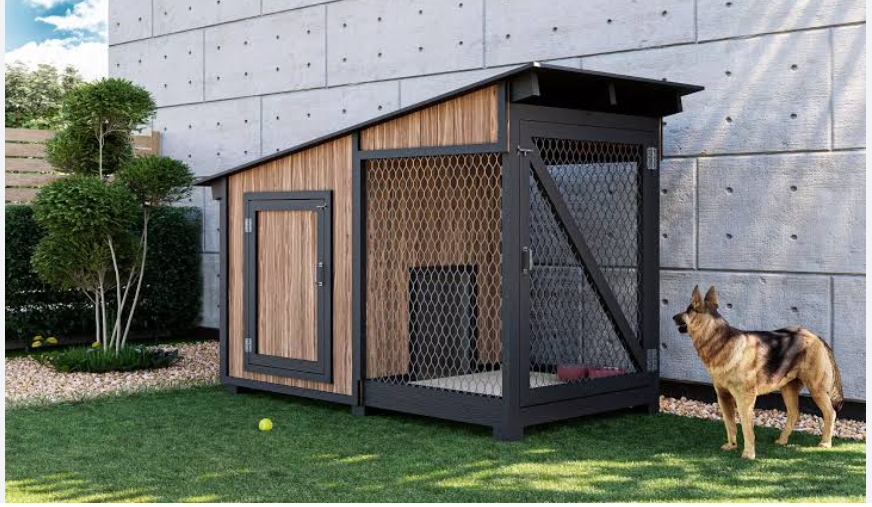
Consider building the doghouse off the ground, allowing cooler air to circulate beneath, which can help maintain a lower temperature inside the structure.
### Roof Design
A well-designed roof can contribute significantly to the effectiveness of a summer doghouse. A slanted roof promotes better airflow and helps avoid water pooling during rain. It reduces heat absorption while preventing leaks that could compromise the interior.
### Entrance and Flap
The entrance should be designed for ease of access while still protecting the interior. You might consider:
– **Flap**:
Adding a flap can help guard against wind and rain while enabling easy access for dogs. Ensure that the entrance is large enough for various sizes but not so large that it exposes the entire space to the elements.
## Creating a Comfortable Interior
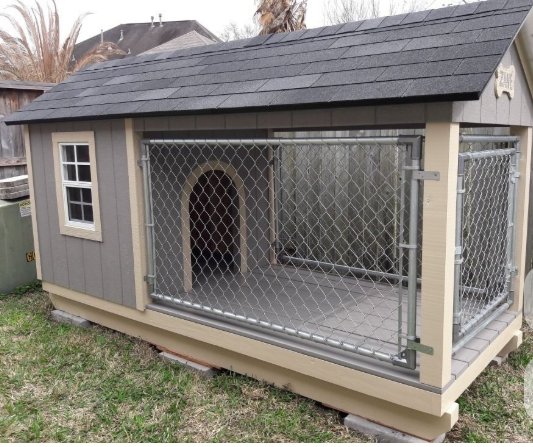
After constructing the exterior of the doghouse, it’s important to focus on the interior space. Here are some suggestions for making it inviting:
– **Soft bedding**:
While stray dogs may be accustomed to natural surfaces, providing soft bedding can offer them a comfortable spot to rest. Straw or cedar shavings make great bedding—both are durable and help absorb moisture while providing insulation.
– **Keep it dry**
Ensure that the doghouse is elevated above the ground to avoid moisture issues, thus preventing mold growth
A poorly maintained doghouse can quickly become a breeding ground for unpleasant conditions. To keep the space inviting and hygienic:
– **Easy access**:
Design the doghouse with features that allow for quick and easy cleaning. Removable parts or panels can help facilitate cleaning.
– **Regular Checks**:
Monitor the condition of the doghouse to ensure it remains sturdy and free from pests. Maintaining the integrity of the structure is crucial for the safety and comfort of the stray dogs.
## Building Community Support
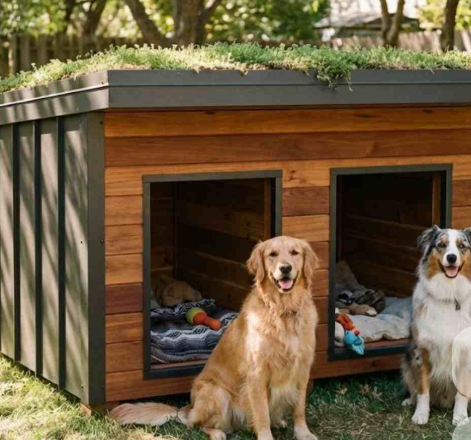
Building a summer doghouse can be an inspiring community project. Engage with neighbors and local animal welfare organizations to take your efforts a step further. Here are some ways to involve the community:
### Collaborate
Involving friends and family in the building process can make the project more enjoyable while spreading awareness. Consider organizing a community building day where groups can come together to construct multiple doghouses, ultimately supporting several stray dogs.
### Fundraising
Hosting fundraising events can help gather the necessary resources for materials and supplies. Engaging local businesses might also increase awareness and support for the cause.
### Partnering with Organizations
Reach out to local shelters and animal rescue groups to see if they can provide guidance or resources. They may also have information about stray populations in your area or programs that could amplify your efforts further.
## Monitoring and Improvement
Once the doghouse is complete, it’s crucial to monitor its usage. Observe how stray dogs interact with the shelter—is it effective? Does it meet their needs? Gathering feedback not only ensures you’re providing effective shelter but also can aid in improving future shelters.
## Conclusion
Building a summer doghouse for stray dogs is more than a construction project; it fosters community compassion and addresses animal welfare challenges. Your efforts not only offer a
much-needed refuge for strays but also encourage collective responsibility toward vulnerable animals. By designing doghouses tailored for summer, we create safe havens that can significantly
enhance the lives of stray dogs in our communities. As we witness the real difference these structures make, let’s remember that every dog sheltered contributes to a kinder, more humane world. One doghouse at a time, we can enact meaningful change through love and compassion.