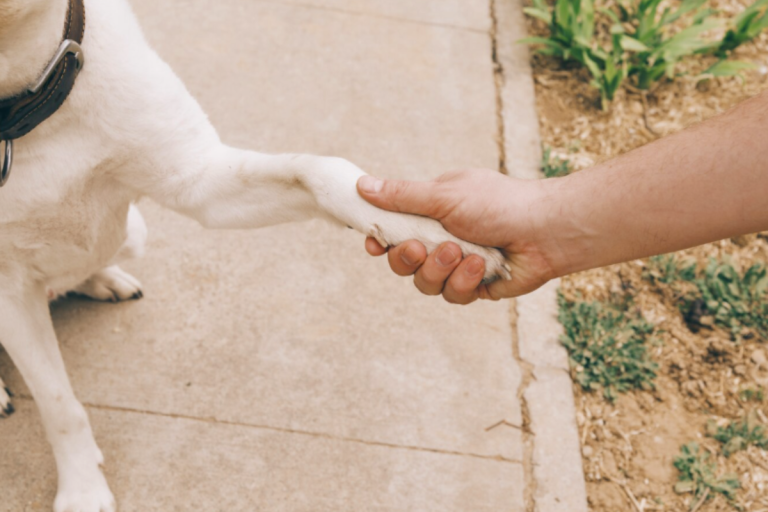
Training your pet dog can be one of the most rewarding experiences as a pet dog owner. Not only does it strengthen the bond between you and your furry friend, but it also lays the foundation for good behavior and safety. Teaching your dog basic commands is essential for good manners and can prevent many behavioral issues. Effective dog training involves mastering basic commands and establishing a productive environment to enhance communication with your pet. These strategies aim to foster better obedience and strengthen the handler-dog bond. Teach your dog
## Understanding the Importance of Teaching Your Dog
Before we get into the specifics of teaching commands, it’s important to understand why training matters. Teaching your dog basic commands, such as sit, stay, come, and down, serves various purposes:
1. **Safety**: Basic commands can keep your dog safe in potentially hazardous situations.
2. **Good Behavior**: Commands can help manage your dog’s behavior both at home and in public spaces.
3. **Mental Stimulation**: Training can provide your dog with mental challenges, preventing boredom and destructive behaviors.
4. **Stronger Bond**: Working together towards learning reinforces your relationship and trust.
## Setting Up for Success
Before you start teaching your dog, it’s essential to prepare both physically and mentally.
### 1. Choose the Right Environment
Select a quiet, distraction-free area to begin your training sessions. This could be your backyard, a quiet room in the house, or a dog training class. Keeping the environment calm will help your dog focus on you and the task at hand.
### 2. Gather Training Supplies
Having the right supplies can make training easier and more enjoyable:
– **High-Value Rewards**: Choose tiny, soft treats that your dog loves. Your dog should find these irresistible.
– **Clicker (optional)**: A clicker serves as a training device that helps indicate when your dog has exhibited the correct behavior.
– **Leash and collar/harness**: Keep your dog on a leash to help maintain control, especially in the beginning.
### 3. Establish the Right Mindset
Your attitude matters. Begin every training session with a calm, steady, and reliable mindset. Dogs can sense your mood, so stay positive and upbeat. This creates a more interesting training experience for both of you.
## Step-by-Step: Teaching Your Dog the Essentials
Now, let’s dive into the steps to teach your dog some essential commands.

### Command 1: Sit
**Why it’s important**: The sit command is a foundational behavior that can help prevent jumping and can be a useful base for other commands.
**How to Teach Your Dog to Sit**:
1. **Get your dog’s attention**: Stand in front of your dog and show them a treat.
2. **Raise the treat**: Move your hand holding the treat slowly above your dog’s head. This will encourage them to look up, causing their bottom to lower.
3. **Cue and Reinforce**: The moment their backside touches the floor, clearly state “Sit” and immediately offer them a treat as a reward. Praise them enthusiastically.
4. **Repeat**: Practice this several times a day, gradually fading your hand signal and focusing more on the verbal command.
### Command 2: Stay
**Why it’s important**: This command teaches your dog to remain in place, which can be particularly useful in situations where they might otherwise run off or get into trouble.
**How to Teach Your Dog to Stay**:
1. **Start with sit**: Start with your pet dog in the sitting position.
2. **Introduce the command**: Open your palm towards your dog and say, “Stay,” in a calm voice.
3. **Step back gradually**: Take one step back. If your dog stays, return to them, reward, and praise them.
4. **Increase distance and duration**: Gradually increase the distance and the time you ask your dog to stay. If they leave their position, gently return them to the original spot and attempt it once more.
### Command 3: Come
**Why it’s Important**: The come command is crucial for safety, especially if your dog gets loose or encounters a potentially dangerous situation.
**How to Teach Your Dog to Come**:
1. **Leash Up**: Begin in a safe space using a long training line.
2. **Use a Treat as a Lure**: Hold a favorite treat in your hand, crouch down, and use an enthusiastic tone to say, ‘Come here!’ while gently waving the treat to grab their attention. While gently pulling on the leash.
3. **Reward**: When your dog comes to you, reward them with treats and lots of praise.
4. **Practice in varied locations**: Gradually practice in different environments with fewer distractions as your dog improves.
### Command 4: Down
**Why it’s important**: Teaching your dog to lie down on command can help with impulse control and is a relaxing position for your dog.
**How to Teach Your Dog to Down**:
1. **Start with sitting: Start once your pet dog is sitting.
2. **Lure with a treat**: Give a treat near their nose, then slowly lower it towards the floor. Your pet dog should naturally follow the treat.
3. **Introduce the command**: As your dog lowers to the ground, say “Down.” When they are fully lying down, reward them immediately.
4. **Repeat and reinforce**: Practice regularly but don’t overdo it. Consistency is key, and every session should be positive.
### Additional Tips for Successful Training
1. **Keep Sessions Short**: Dogs have shorter attention spans than humans. Aim for sessions that last no longer than 5-10 minutes but repeat them a few times daily.
2. **Implement Consistent Training**: Establish a regular training schedule to ensure your pet understands expectations and routines.
3. **Maintain Consistency**: Have everyone in the household use identical cues and techniques to avoid confusing your pup.
4. **Monitor Your Dog’s Energy Levels**: Ensure your dog isn’t too excited or tired during training, as this can affect their ability to learn. Choose times when your dog is calm but alert.
5. **End on a Positive Note**: Regardless of how a training session goes, always conclude with success, even if it was just getting your dog to sit for a moment. A positive ending encourages eagerness for future sessions.
##Managing Common Challenges in Dog Training
Here are some common challenges you may encounter while teaching your dog basic commands and tips on how to overcome them.

### Distractions
If your dog seems easily distracted, practice in a less stimulating environment initially and gradually introduce distractions as they improve.
### Resistance to Commands
If your dog is reluctant to follow commands, try to identify the reason. Are they tired, anxious, or uninterested? Adjust your approach based on their mood. Try engaging them with a game or a walk before training to keep their energy high.
### Boredom
If your dog starts losing interest during training, change things up! Introduce variety in the commands you practice, new locations, or different reward systems to keep their enthusiasm alive.
### Inconsistency
Inconsistencies in order or training method can confuse your pet dog. If multiple family members are participating, consider holding a mini-training session to align your commands. Use the same words, hand signals, and rewards across the board.
## Reinforcing Command Training in Everyday Life
Training doesn’t stop when the formal sessions end. Incorporate what your dog has learned into your daily routines for further reinforcement.

– **Incorporate Commands into Daily Activities**: Ask your dog to “sit” before feeding or “down” when you want them to settle during family gatherings. This solidifies their understanding and keeps their skills sharp.
– **Use Commands during Walks**: Incorporate “heel,” “sit,” and “stay” commands during walks to reinforce training while out and about. It keeps your dog engaged and makes walks more structured.
– **Practice in Various Environments**: Vary the locations in which you practice commands to help your dog generalize their learning. A command learned in the backyard will be more effective if it’s practiced at the park, on walks, or around other dogs.
## Building Advanced Skills
Once your dog has mastered the basics, you can begin teaching those more advanced skills, tricks, or even obedience work. Participate in classes or workshops to further their development, and always keep the training enjoyable for both of you.