As a responsible pet owner, you continuously seek ways to ensure your fur baby lives a healthy and happy life. One of the most meaningful ways to show your love and care for your dog is by providing a nutritious and balanced diet. In recent years, the trend of homemade dog food has gained immense popularity as pet owners look to control ingredients and tailor meals to their dogs’ unique needs. This article will explore the benefits of essential ingredients, recipes, and tips to ensure your canine companion enjoys a wholesome diet.
The Benefits of Homemade Dog Food:
In a world filled with commercial dog food options, why should you consider homemade dog food? Here are several compelling reasons:
1. Quality Control
When you prepare homemade dog food, you control the ingredients that go into your pet’s meals. This means knowing exactly what your dog consumes, ensuring no fillers, artificial additives, or preservatives are present.
2. Freshness
Homemade dog food is typically prepared with fresh ingredients, enhancing the taste and aroma. Dogs, like humans, benefit from fresh food, leading to heightened interest in meals and improved overall health.
3. Customized Nutrition
Every dog is unique, with specific nutritional needs depending on their size, age, breed, and health status. Homemade dog food allows you to cater to those needs, adjusting recipes to accommodate allergies, sensitivities, or medical conditions.
4. Cost-effective
Although some might perceive homemade pet dog food as expensive, it can be remarkably cost-effective in the long run. Many commercial dog foods can be pricey, particularly premium brands. By carefully choosing ingredients and making large batches, you can save money while providing quality nutrition.
5. Strengthening Bond
Cooking for your dog strengthens the bond you share. It shows commitment and love, allowing your pet to feel more connected and secure.
Essential Ingredients for Homemade Dog Food:
When creating a well-balanced homemade diet for your dog, it is crucial to include a variety of ingredients to meet their nutritional requirements. Here are the essential components:

1. Protein
Protein is vital for your dog’s muscle development and overall well-being. Good sources of protein for homemade dog food include:
**Meats**: Chicken, turkey, beef, lamb, and fish are excellent choices. Always cook meat thoroughly to eliminate harmful bacteria.
**Eggs**: A fantastic source of protein and other nutrients. Eggs should be cooked to be safely digested by your dog.
2. Carbohydrates
Carbohydrates provide energy and can also help your dog’s digestive system. Include:
**Grains**: Brown rice, quinoa, barley, and oatmeal are good options. Ensure they are well-cooked for easier digestion.
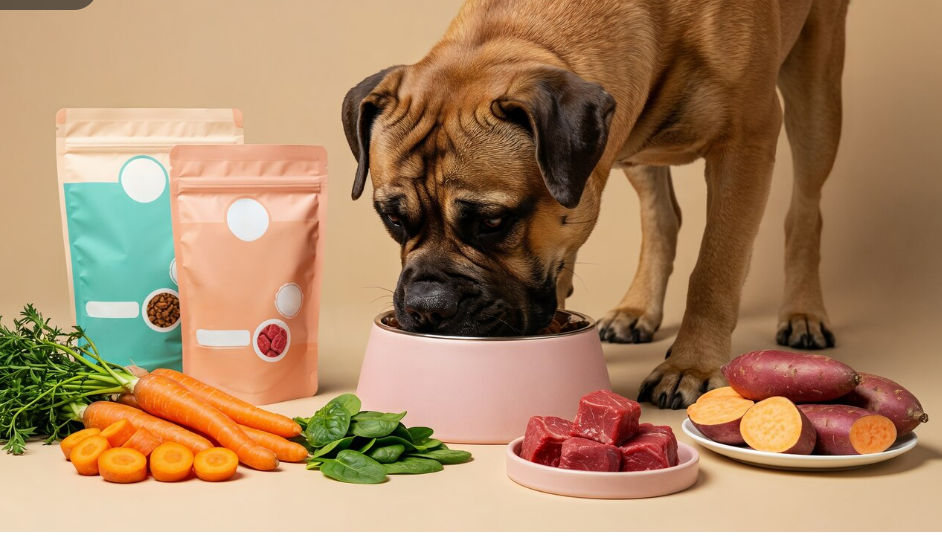
**Vegetables**: Carrots, peas, spinach, and sweet potatoes not only offer carbohydrates but also provide vital vitamins and minerals.
3. Fats
Healthy fats are important for skin and coat health, as well as overall energy. Look for:
**Fish Oil**: Omega-3 fatty acids are beneficial for your dog’s coat and skin. It also supports heart health.
**Olive Oil**: A little can enhance your pet’s meals while providing healthy fats.
4. Fruits
Fruits can be a great treat and can provide essential vitamins. However, some fruits are better than others:
**Blueberries**: Rich in antioxidants that help support overall health.
**Apples**: Fiber-rich and a good source of vitamins.
**Bananas**: Good in moderation, providing potassium and healthy sugar.
5. Supplements
To ensure a well-rounded diet, some dogs may require additional vitamins and minerals:
**Calcium**: Ground eggshells or bone meal can provide the necessary calcium, especially if you are not using bones in your recipes.
**Multivitamins**: Consult your veterinarian regarding appropriate supplements for your dog’s specific needs.
Homemade Dog Food Recipes:

Here are some easy recipes to help you embark on your journey into homemade dog food. Always consult your veterinarian before making changes to your dog’s diet.
Recipe 1: Chicken and Rice
**Ingredients**:
– 2 cups of brown rice
– 16 ounces of boneless, skinless chicken
– 1 cup of carrots (diced)
– 1 cup of peas (frozen or fresh)
– 3 cups of water
**Instructions**:
1. In a large pot, combine the rice, chicken, carrots, peas, and water.
2. Bring to a boil and then reduce to a simmer for about 20-25 minutes or until the chicken is cooked through and rice is tender.
3. Remove the chicken, shred it, and return the shredded meat to the pot.
4. Mix well and allow to cool before serving.
Recipe 2: Beef and Vegetable Stew
**Ingredients**:
– 2 pounds of ground beef
– 1 cup of carrots (diced)
– 1 cup of sweet potatoes (diced)
– 1 cup of peas (frozen or fresh)
– 1/2 cup of green beans (chopped)
– 4 cups of water
**Instructions**:
1. In a large pot over medium heat, brown the ground beef until fully cooked.
2. Drain excess fat and add vegetables and water to the pot.
3. Bring to a boil, then reduce the heat to a simmer for about 30 minutes.
4. Let cool, then serve.
Recipe 3: Turkey and Quinoa
**Ingredients**:
– 1 pound of ground turkey
– 1 cup of quinoa
– 1 cup of spinach (chopped)
– 1/2 cup of carrots (diced)
– 3 cups of water
**Instructions**:
1. In a large pot, cook the ground turkey over medium heat until fully cooked, breaking it apart as it cooks.
2. Wash the quinoa with cold water to eliminate any bitter flavor, then combine it in the pot with the chopped spinach, diced carrots, and water.
3. Heat the mixture until it reaches a boil, then lower the heat and cover the pot. Allow it to simmer for about 15-20 minutes, or until the quinoa is fluffy and the vegetables are tender.
4. Stir well and let cool before serving.
Tips for Transitioning Your Dog to Homemade Dog Food:

Switching to homemade dog food can be an adjustment for some pets. Here are some tips to help make the transition as smooth as possible:
1. Gradual Transition
If your pet dog is currently on commercial food, gradually introduce homemade food. Start by mixing small amounts of homemade food with their regular food, slowly increasing the homemade portion over five to seven days.
2. Monitor Your Dog’s Health
During the transition, pay close attention to your dog’s digestion, energy levels, and overall health. Look for signs of digestive upset and consult your veterinarian if you have any concerns.
3. Be Mindful of Portions
Homemade meals can be more calorically dense than commercial ones. Ensure you’re not overfeeding your dog. Adjust portion sizes according to your dog’s weight and activity level.
4. Stay Consistent
Safety Considerations:
While homemade dog food can be beneficial for your pet’s health, it is essential to ensure that you meet all safety standards:
1. Avoid Toxic Foods
Certain foods can be toxic to dogs. Ensure you never include:
– Chocolate
– Grapes and raisins
– Onions and garlic
– Avocado
– Macadamia nuts