Learn the advantages of dog training clickers, how to use them successfully, and how to employ positive reinforcement to improve your pet’s behavior.
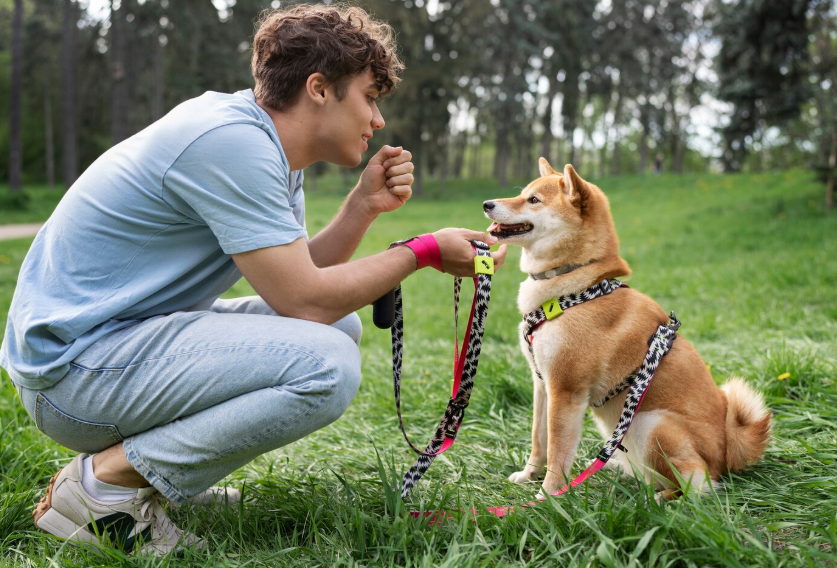
In recent years, the use of dog training clickers has gained immense popularity among pet owners and trainers alike. These small yet effective tools have revolutionized the way we communicate with our furry companions. This article will delve into the science behind dog training clickers, their benefits, and how to effectively use them to enhance your dog’s obedience and overall behavior.
Understanding the Basics of Dog Training Clickers
A dog training clicker is a handheld device that produces a distinct clicking sound when pressed. This sound is used as a form of positive reinforcement during training sessions. The principle behind clicker training is based on operant conditioning, a behavioral concept pioneered by B.F. Skinner. In simple terms, when a dog performs a desired behavior, the click sound signals that they have done something right and will result in a reward, typically a treat or praise.
The Science Behind Clicker Training
To understand why dog training clickers are effective, it’s crucial to explore the underlying psychological principles. When the click sound is consistently paired with a reward, dogs quickly learn to associate the noise with positive outcomes. This creates a clear communication channel between the dog and the trainer, clarifying which behaviors are desirable.
Studies have shown that animals, including dogs, respond more effectively to positive reinforcement rather than punishment. Thus, dog training clickers promote a more enjoyable training experience for both the dog and the owner. This method encourages dogs to repeat desired behaviors and fosters a trusting relationship between canine and human.
Benefits of Using Dog Training Clickers
1. Precision in Communication:
One of the primary advantages of a dog training clicker is its ability to mark specific behaviors with incredible precision. The moment your dog performs the desired action, you click. This immediate feedback helps your dog understand exactly what they did right, making it easier for them to associate the behavior with the reward.
2. Promotes Positive Reinforcement:
Using a dog training clicker encourages the use of positive reinforcement rather than negative. This approach builds a strong bond between you and your pet, as it focuses on rewarding good behaviors rather than punishing undesirable ones.
3. Versatility:
Dog training clickers can be used for a variety of training rituals, from basic commands like sit and stay to advanced tricks like rolling over or playing dead. This versatility makes clicker training suitable for dogs of all ages and breeds.
4. Enhances Focus and Attention:
The distinct sound of the clicker draws your dog’s attention, helping them concentrate during training sessions. This is particularly beneficial in distracting environments, where typical verbal cues may not be effective.
5. Encourages Engagement:
Dogs are naturally curious and enjoy challenges. The use of a dog training clicker makes training fun and engaging for your pet, which can result in a more enthusiastic learner.
How to Get Started with Dog Training Clickers:
Step 1: Choose the Right Clicker:
Before you start training, it’s essential to select a clicker that feels comfortable for you to use. There are various types available, from traditional handheld clickers to thumb-press models. Make sure the sound is distinct enough to catch your dog’s attention but not so loud that it startles them.
Step 2: Introduce the Clicker:
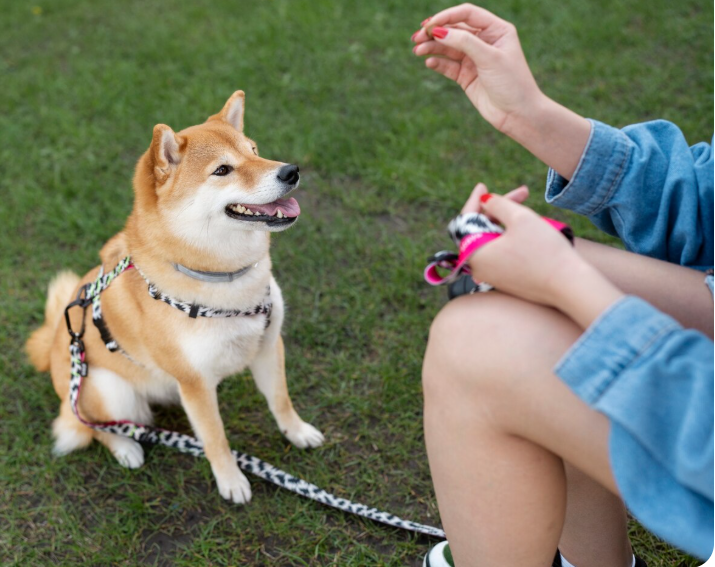
Before beginning actual training, you need to acclimate your dog to the sound of the clicker. Start by clicking the device and immediately rewarding your dog with a treat. Repeat this several times until your dog associates the click with getting a reward. This process is known as “charging the clicker.”
Step 3: Start with Basic Commands:
Once your dog is familiar with the clicker sound, it’s time to introduce basic commands. Start with simple commands like “sit” or “down.” When your dog performs the command, click and reward them promptly. This will reinforce the behavior and encourage them to respond to your commands in the future.
Step 4: Reinforce and Gradually Increase Complexity:
As your dog becomes more adept at the basic commands, continue to challenge them with more complex tasks. Remember to click and reward them every time they perform the desired behavior. Gradually increase the difficulty while maintaining a fun and positive atmosphere during training.
Step 5: Practice Regularly:
Consistency is key to successful training. Aim to conduct short, frequent training sessions with your dog to reinforce good behavior. Try to incorporate the dog training clicker into your daily routine, making training a fun aspect of your time together.
Troubleshooting Common Challenges:
While dog training clickers are a fantastic tool, some challenges may arise during training. Here are a few tips to overcome them:
– Lack of Interest:
If your dog seems disinterested, evaluate the rewards you’re using. Ensure they are enticing enough to retain their attention. It may also help to shorten the training sessions to keep them focused.
-Confusion Over Clicks:
If your dog appears confused about when to expect a click, re-evaluate your timing. The click should occur at the exact moment the desired behavior is exhibited. Practicing with the clicker without commands may help reinforce this.
– Frustration: Catering the training sessions to your dog’s learning pace is crucial. If they become frustrated.
Frequently Answered Questions:
FAQ 1: What is a dog training clicker and how does it work?
Answer: A dog training clicker is a small handheld device that makes a distinct clicking sound when pressed. It is used as a tool for positive reinforcement training. When a dog performs a
desired behavior, the trainer clicks the device immediately, followed by providing a rewarding treat or praise. The click sound serves as a marker, signaling to the dog that they have done something right, helping them associate the behavior with a positive outcome.
FAQ 2: How do I start using a clicker for my dog’s training?
Answer: To begin using a clicker, first, you need to condition your dog to understand the click sound means a reward is coming. Start by clicking and immediately giving a treat.
Repeat this several times until your dog looks for a treat when they hear the click. Once your dog understands this association, you can start using the clicker to mark specific behaviors you want to reinforce, like sitting, staying, or coming when called.
FAQ 3: Can clicker training be effective for all dog breeds and ages?
Answer: Yes, clicker training can be effective for all breeds and ages of dogs! Whether you have a puppy or an older dog, the principles of positive reinforcement apply. However, some dogs may respond better than others based on their temperament and previous training experiences. Patience and consistency are key when using a clicker, and it’s important to ensure that the training is fun and rewarding for your dog to achieve the best results.
Conclusion:
Dog training clickers are an invaluable asset in the quest for a well-behaved pet. By utilizing the principles of positive reinforcement, precision, and clear communication, clicker training can enhance the bond between you and your furry friend. Remember to choose the right clicker.
Establish a positive association with the sound and practice regularly. With patience and consistency, you’ll notice significant improvements in your dog’s behavior, making every click worth it! Start your journey with dog training clickers today, and watch your canine companion thrive